Every woman buying a luxury handbag wonders the same thing: if I ever sell this, will it be worth anything? The honest answer is that most designer bags lose value — but a small group consistently holds it, and the reasons why are worth understanding before you spend. This guide covers the bags with the strongest track records and the principles behind them. Below each bag, you can see a real example from our catalog so you know exactly what the sought-after configurations look like.
Why Some Bags Hold Value and Most Don’t
Value retention in handbags comes down to four forces. First, supply control: houses that limit production and never discount create permanent scarcity. Second, design permanence: bags whose designs never change don’t get “dated out” by new seasons. Third, brand pricing behavior: houses that raise retail prices steadily pull resale values up with them. Fourth, condition and completeness: a bag with its dust bag, box, and accessories, kept in excellent condition, always commands more.
Notice what’s missing: trendiness. The bags that spike in hype usually fall hardest. The bags below are the opposite — they hold value because demand for them is structural, not seasonal.
1. Hermès Birkin 35 in Gold Togo
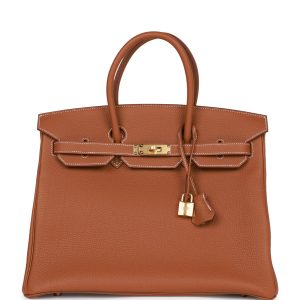
The Birkin is the reference point for value retention in handbags. Created in 1984 and hand-sewn by a single artisan in France, it combines extreme supply constraint — you cannot simply walk in and buy one in most boutiques — with a design that hasn’t changed in four decades. The classic sizes (25, 30, 35 cm) in core leathers like Togo, Epsom, and Clemence, in neutral colors (black, gold, etoupe), are the most consistently sought-after on the resale market.
Gold Togo is one of the quintessential Birkin combinations: a warm neutral that works across wardrobes, in a grained leather that hides wear beautifully, at the versatile 35 cm size. What sustains it: Hermès never discounts, production is deliberately limited, and demand stays permanently ahead of supply. A Birkin in excellent condition with full accessories is one of the very few bags that can trade at or above its original retail price on resale. No other bag has this profile — the Birkin is in a category of one.
2. Hermès Kelly Retourne 28 in Etoupe Togo
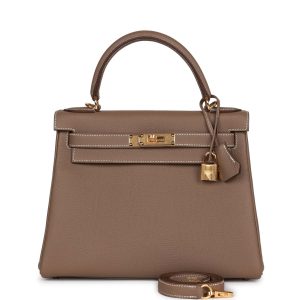
The Kelly — the structured top-handle named for Grace Kelly — shares the Birkin’s fundamentals: single-artisan construction, controlled supply, no discounts, unchanged design. The 28 and 32 cm sizes in classic leathers are the resale sweet spots, with the 25 in high demand among collectors.
The 28 cm Retourne in Etoupe Togo is a collector-favorite configuration: soft-structured, in a grey-beige neutral that pairs with everything, in a leather known for durability. What sustains it: everything that sustains the Birkin, with a slightly more formal, ladylike positioning that keeps it permanently relevant for professional and occasion dressing. For women who prefer top-handle elegance to the Birkin’s tote format, the Kelly offers the same value-retention logic in a different silhouette.
3. Chanel Medium Classic Flap in Black Caviar with Gold Hardware
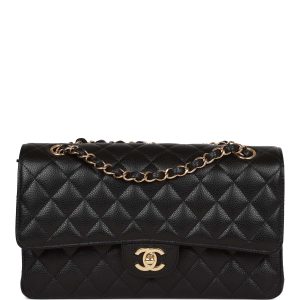
The Classic Flap — descended from the 1955 2.55 — is the most widely owned value-holding bag in luxury. The medium size (26 x 16 x 7 cm) in black caviar leather with gold hardware is the reference configuration: the most produced, the most recognized, and the most liquid on resale. Lambskin versions are beautiful but show wear faster, which affects resale; caviar’s grained durability keeps it looking new longer.
What sustains it: Chanel’s regular retail price increases mean the replacement cost of a new Flap keeps rising, which supports pre-loved prices. The design’s seventy-year continuity means a Flap from any era is recognizably the same bag. Black with gold hardware is the safest choice; seasonal colors and limited editions are more volatile.
4. Louis Vuitton Speedy 30 and Neverfull MM: The Workhorses
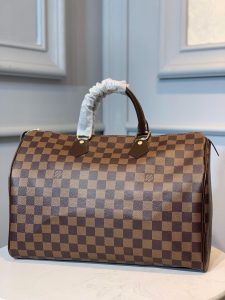
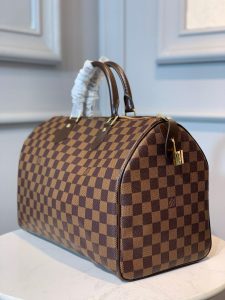
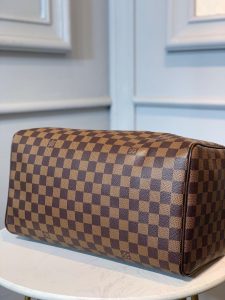
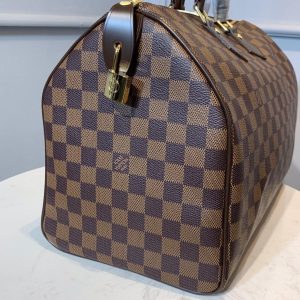
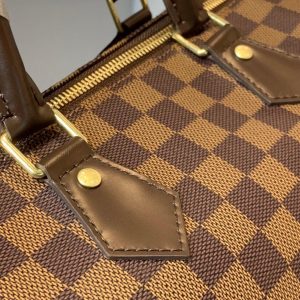
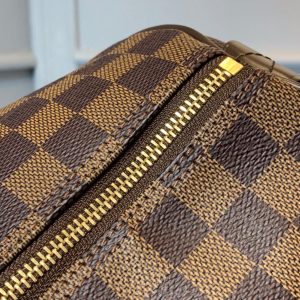
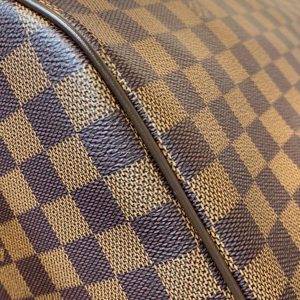
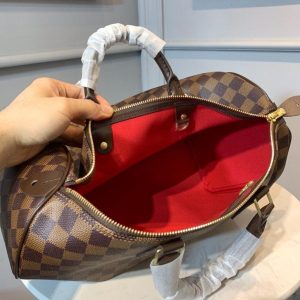
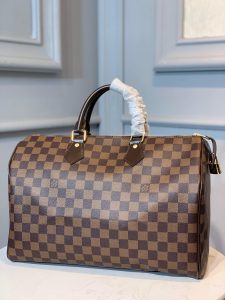
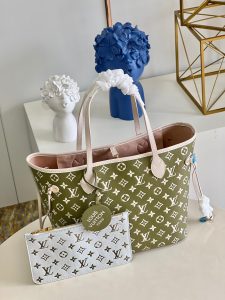
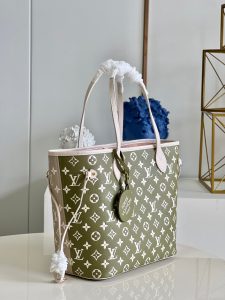
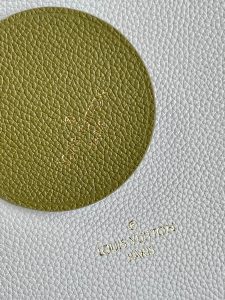
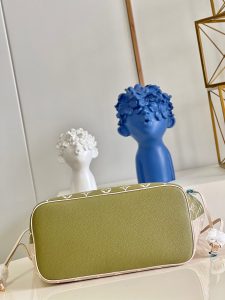
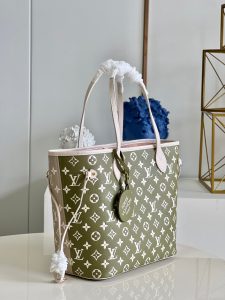
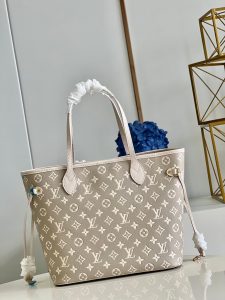
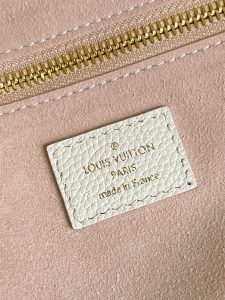
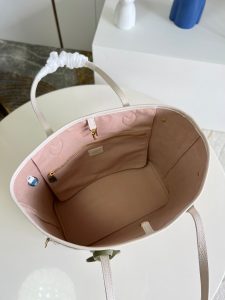
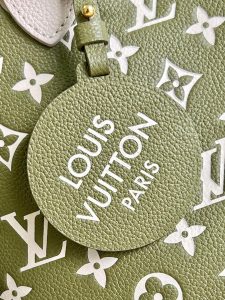
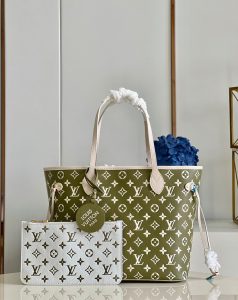
Louis Vuitton’s two icons earn their place through sheer indestructibility and permanent demand. The Speedy 25 and 30 in monogram canvas, and the Neverfull MM in monogram or Damier Ebene, are among the most traded bags on the resale market — which means they’re also among the easiest to sell. The coated canvas shows almost no wear, the vachetta trim develops the patina collectors expect, and the house’s steady price increases support resale values.
What sustains them: ubiquity as an asset. These are the bags with the deepest buyer pool in luxury resale — there is always someone looking for a Speedy or Neverfull in good condition. They may not appreciate the way a Birkin can, but they hold a remarkably high proportion of their value for bags at their price point, and they sell fast.
5. Goyard St Louis in Black
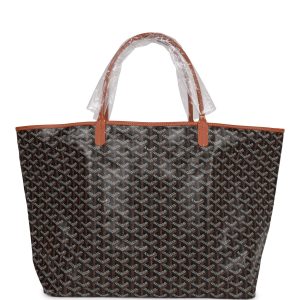
The Goyard St Louis holds value through a different mechanism: the maison barely advertises, distributes through very few stores, and produces by hand in France. The PM (28 x 27 x 15 cm) in classic colorways — black with black trim, or the signature black-on-tan — is the most liquid size; the black colorway shown below carries the same quiet-luxury appeal in the roomier GM. Because Goyard never discounts and rarely increases availability, demand stays ahead of supply year after year.
What sustains it: quiet luxury’s permanent appeal plus genuine scarcity. The St Louis doesn’t depend on fashion cycles at all — its buyers want discretion and craftsmanship, desires that don’t expire. Condition matters: the hand-painted canvas corners are the known wear point, so a well-kept St Louis with intact corners commands the strongest price.
6. Medium Lady Dior in Black Lambskin
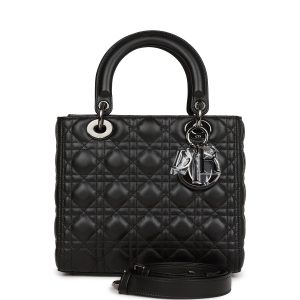
The Lady Dior — in production since 1994 — holds value on the strength of its unchanging design and Dior’s positioning. The medium (24 x 20 x 11 cm) in black or nude lambskin with the cannage quilting is the reference; these are the versions with the deepest resale demand. Like Chanel, Dior’s pricing strategy supports pre-loved values over time.
What sustains it: thirty years of design continuity and a silhouette that works across generations. The Lady Dior will never be the highest-appreciating bag on this list, but it’s a genuinely safe choice — a classic from a top house in a neutral color, bought in excellent condition, that you can expect to recover a strong share of if you ever sell.
What Hurts Resale Value (Avoid These Mistakes)
Even the right bag loses value if you get the details wrong. The biggest value killers:
- Poor condition — stained vachetta, scratched hardware, worn corners, musty interiors.
- Missing accessories — dust bag, box, authenticity cards, straps, pochettes, locks and keys all matter to buyers.
- Trendy colors and limited editions — they can spike, but they can also collapse when the trend passes, while black, beige, and tan hold steady.
- Visible personalization — hot-stamped initials narrow your buyer pool dramatically.
- No proof of purchase — receipts and boutique records reassure buyers and support authentication.
The rule is simple: buy the classic configuration, keep everything it came with, store it stuffed and in its dust bag, and have vachetta and hardware issues addressed early.
Frequently Asked Questions
Which designer bag holds its value best?
The Hermès Birkin has the strongest value-retention profile in handbags — excellent-condition pieces in classic sizes and colors can trade at or near their original retail price. The Hermès Kelly follows closely. Among more accessible bags, the Chanel Classic Flap in black caviar with gold hardware and Louis Vuitton’s monogram icons (Speedy, Neverfull) hold value remarkably well.
Do Louis Vuitton bags hold their value?
Yes — Louis Vuitton’s core icons (Speedy, Neverfull, Alma) are among the best value-holders at their price point. The coated canvas is extremely durable so bags stay in good condition, the house raises retail prices regularly, and the buyer pool for these models is the deepest in luxury resale. Limited editions and seasonal pieces are less predictable.
Is it better to buy new or pre-loved for value retention?
Buying pre-loved means someone else has already absorbed the initial depreciation, so your downside is smaller — and for hard-to-access bags like the Birkin and Kelly, pre-loved is often the only option. Buying new gives you perfect condition and full provenance, which maximizes future resale. Either way, condition and completeness at the time you sell matter more than where you bought.
Do designer bags ever increase in value?
A small number do — primarily the Birkin and Kelly in sought-after configurations, and certain discontinued icons whose supply is fixed forever. But appreciation is the exception, not the rule, and it depends on condition, rarity, and market demand at the time of sale. Buy bags to wear and love; treat any appreciation as a bonus.
What colors hold value best?
Neutrals: black, beige/tan, brown, navy, and grey. These match everything, suit every age, and have the deepest buyer pool. Bright seasonal colors, bold prints, and unusual materials are harder to resell and more exposed to changing tastes. If value retention matters to you, buy the neutral first.
Final Thoughts
Value retention isn’t magic — it’s the predictable result of scarcity, design permanence, brand discipline, and good condition. Buy the classic bag, in the classic color, from the disciplined house, keep it beautifully, and you’ll own something that holds its worth as well as it holds your essentials. That’s the closest thing to a safe purchase in luxury fashion.