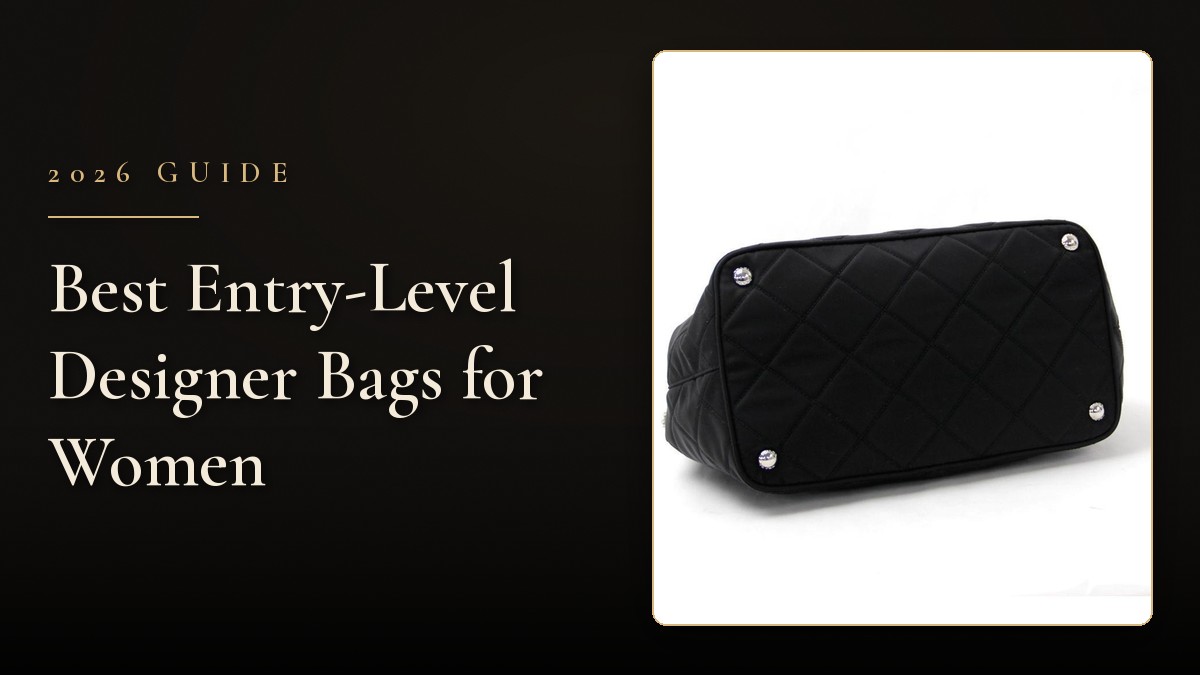
“Entry-level designer” doesn’t mean lesser or compromised — it means the smartest doors into the luxury world: bags from heritage houses that sit at the most accessible tier of their collections, hold up to daily life, and still feel special every time you pick them up. These are the pieces women actually start with, and keep.
What Makes a Great First Designer Bag
Before the picks, the criteria. A strong entry-level designer bag should be:
- From an established luxury house — heritage craftsmanship, recognizable design language, and a resale market if you ever move on.
- Priced at the accessible end of the house’s range — typically canvas, smaller leather goods, or streamlined designs rather than the flagship icons.
- Durable enough for real life — coated canvas, pebbled leather, or sturdy nylon that survives commuting, weather, and daily friction.
- Versatile — works across your wardrobe, day to evening, weekday to weekend.
- Timeless, not trendy — a design that will still look right in ten years.
With that filter, here are the standouts.
1. Louis Vuitton Speedy 25 or 30 — The Iconic First Buy
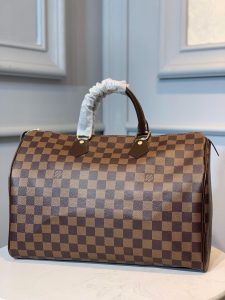
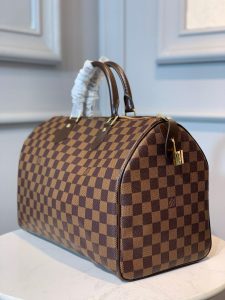
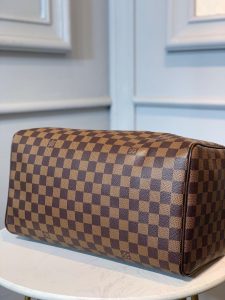
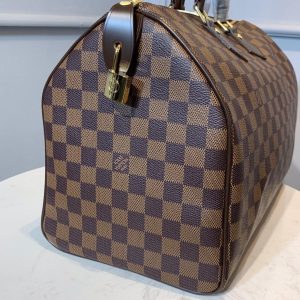
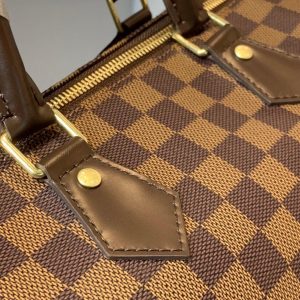
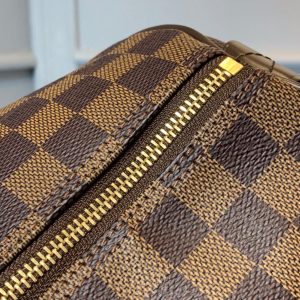
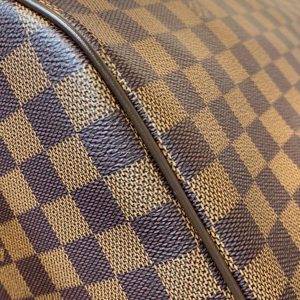
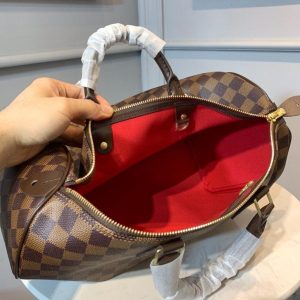
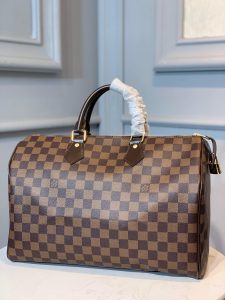
The Speedy is arguably the most-bought first designer bag in the world, and the reasons are practical. The monogram coated canvas shrugs off rain, scratches, and daily abuse in a way delicate leathers can’t. The shape — a structured handheld duffel with rolled leather handles and a top zip — has been essentially unchanged for decades, which is the definition of timeless.
The 25 (about 25 × 19 × 15 cm) suits petite frames and lighter loads; the 30 (about 30 × 21 × 17 cm) is the classic everyday size that fits a full daily load including a slim water bottle. Both have an interior flat pocket, and newer versions offer a detachable strap option for shoulder or crossbody wear.
Why it’s entry-level done right: accessible canvas pricing from the world’s most recognized luxury house, near-indestructible materials, and resale liquidity that’s unmatched — a well-kept Speedy is easy to resell if your taste evolves.
2. Gucci Marmont Small Shoulder Bag — The Modern Classic
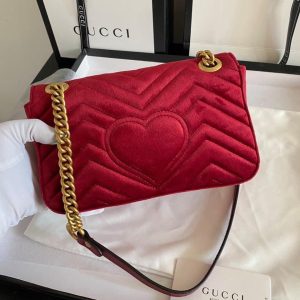
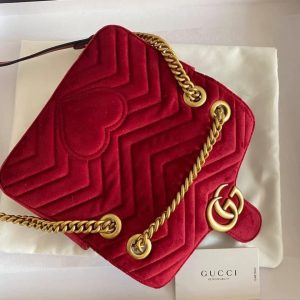
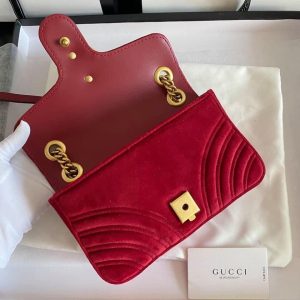
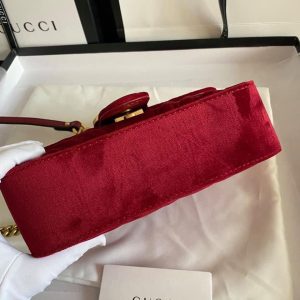
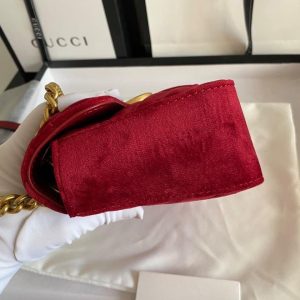

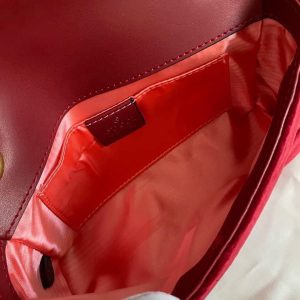
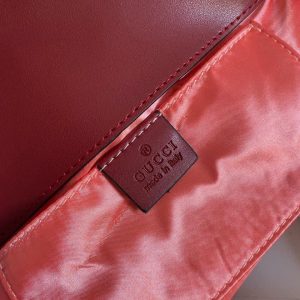

The Marmont’s chevron-quilted matelassé leather and antique gold-tone GG logo made it the defining bag of the late 2010s — and unlike most trend pieces, it stuck around. The small shoulder bag size fits a phone, cardholder, keys, and lipstick, with a chain strap that wears doubled on the shoulder or long as a crossbody.
The matelassé quilting is more durable than it looks, the flap closure with the GG emblem is secure, and the design works dressed up or down. For a first designer bag with evening-to-day range, it’s one of the strongest options from an Italian heritage house.
Why it’s entry-level done right: full Gucci craftsmanship and hardware at one of the house’s most accessible price points for a leather shoulder bag, in a design with proven staying power.
3. Saint Laurent LouLou Small — The Understated Quilt
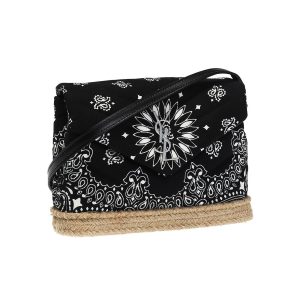
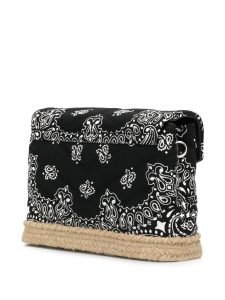
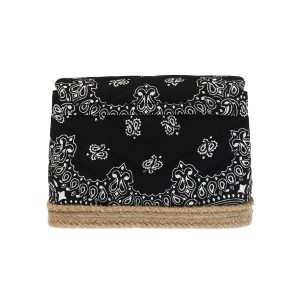
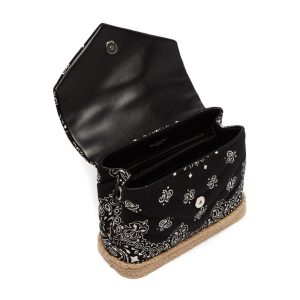
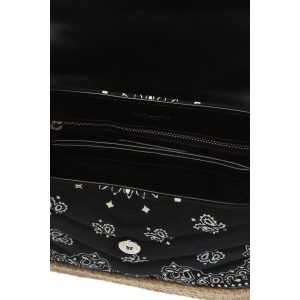
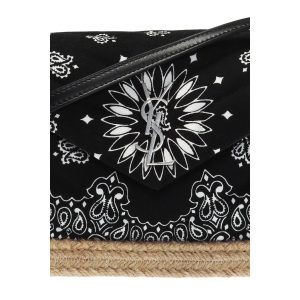
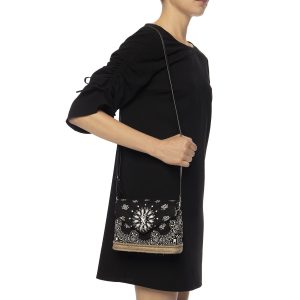
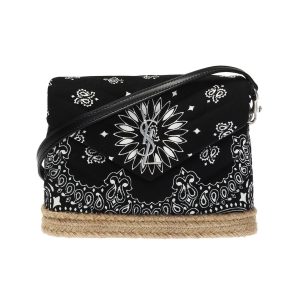
If the Marmont is the extrovert, the LouLou is the introvert: Y-quilted lambskin (or calfskin), a tonal YSL logo, and a silhouette that whispers rather than shouts. The small size carries daily essentials; the chain-and-leather strap offers shoulder or crossbody wear.
LouLou’s appeal as a first bag is its quiet luxury positioning — recognizable to those who know, invisible to those who don’t. The quilting is plush, the leather is beautiful, and the bag dresses up effortlessly for evenings while staying low-key for daytime.
Why it’s entry-level done right: Saint Laurent leather craftsmanship and Parisian design codes at the accessible end of the house’s quilted-bag range.
How to Choose Your First
- Match the bag to your daily load. Bottle-and-laptop carriers: the Speedy 30, or the humble Longchamp Le Pliage — the honest nylon workhorse countless women started with, and one of the smartest first-quality-bag buys around. Essentials-only: Marmont, LouLou, or Coach’s Tabby, the structured American heritage shoulder bag whose leather consistently surprises first-time buyers.
- Consider your climate and commute. Coated canvas and nylon forgive rain and crowded trains; soft lambskin prefers gentler treatment.
- Think about strap options. A bag that converts between shoulder and crossbody (Marmont, LouLou, Tabby) adapts to more of your life.
- Buy the best condition you can. Whether new or pre-owned, crisp corners, clean interiors, and even stitching matter more than the box and dust bag.
- Ignore the logo debate. Buy the bag you love carrying, not the one you think impresses others. You’ll carry it hundreds of times; strangers’ opinions last seconds.
A Note on Pre-Owned for First-Timers
Many women’s first designer bag is pre-owned — and wisely so. The bags on this list (Speedy, Marmont, LouLou especially) are abundant on the resale market, often in excellent condition, at meaningful savings. Just buy from reputable resellers with authentication processes, check hardware engraving and stitching carefully, and remember that vachetta leather trim on Louis Vuitton develops a honey patina — that’s character, not damage.
Care Basics for a First Bag
A first designer bag lasts longest when a few simple habits start on day one. Store it stuffed and in its dust bag so it holds its shape; keep coated canvas and nylon away from prolonged direct sun, which dulls and discolors them; wipe hardware with a soft dry cloth rather than polish; and rest leather bags — rotating them gives the material time to recover between wears. Small discipline now is the difference between a bag that looks tired in two years and one that still looks crisp in ten.
Frequently Asked Questions
What is the best first designer bag for everyday use?
The Louis Vuitton Speedy 30 in monogram canvas is the classic answer: it fits a full daily load, the coated canvas handles weather and wear, and the design is permanently in style. If you prefer a shoulder bag, the Gucci Marmont small or Coach Tabby are excellent alternatives.
Are entry-level designer bags worth it?
Yes, when chosen well. The bags on this list offer genuine craftsmanship, durable materials, and designs that stay relevant for years — plus strong resale markets. The mistake isn’t buying entry-level; it’s buying a trendy piece at any price that you’ll tire of in a season.
Should my first designer bag be new or pre-owned?
Either works. New gives you the full boutique experience and pristine condition. Pre-owned — from a reputable authenticated reseller — often gets you the same bag in excellent condition at a lower price, which is smart when you’re still discovering your taste. Avoid the resale market’s bargains that seem too good to be true; they are.
Which entry-level bag holds its value best?
Louis Vuitton’s canvas icons (Speedy, Neverfull) historically hold value best at the entry tier, thanks to enduring demand and the house’s pricing power. Gucci Marmont and Saint Laurent LouLou also resell well when kept in good condition. Condition matters more than brand: a pristine bag of any of these beats a worn one.
Is the Longchamp Le Pliage really a designer bag?
It’s a heritage French design from a respected house, made with real leather trim and excellent construction — just at an accessible price. It won’t carry the prestige of a Chanel flap, but as a first quality bag and a lifelong travel companion, it’s one of the smartest purchases in this entire guide.
Conclusion
The best entry-level designer bag is the one that fits your life, survives your days, and still makes you happy on the hundredth carry. Start with a proven icon — Speedy, Marmont, LouLou, Tabby, or even the humble Le Pliage — and you’ll have a foundation worth building on.