Every woman who has considered a four-figure handbag has asked this question: if I spend this much, will it hold its value? The honest answer is that most designer bags are purchases to enjoy, not investments — but a small group of icons genuinely resell well, year after year. This guide explains which bags those are, why they hold value, and what actually determines resale price. One note upfront: this is practical buying guidance, not financial advice.
Why Some Bags Hold Value and Most Do Not
Resale value comes down to three forces: sustained demand, constrained supply, and timelessness. Bags that hold value are the ones women keep wanting for decades — classic shapes in wearable colors — produced in quantities that never flood the market. Trend-driven designs, seasonal colors, and heavily logoed statement pieces usually depreciate fastest, because demand for them fades with the fashion cycle. Brand pricing power matters too: houses that raise retail prices steadily and rarely discount create a rising floor that supports pre-owned prices. Condition is the final multiplier — a pristine classic resells far better than a worn one, regardless of brand.
1. Hermès Birkin
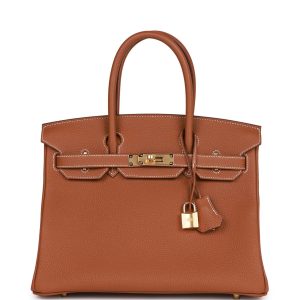
No discussion of value retention starts anywhere else. The Birkin combines extreme demand with deliberately constrained supply — Hermès does not sell it freely off the shelf, and acquiring one new typically requires an established purchase history. That scarcity sustains a pre-owned market where classic combinations (neutral leathers, gold or palladium hardware, popular sizes like the Birkin 30) command strong and consistent demand. Togo and Epsom leathers are prized for durability; exotic leathers are a separate, more volatile market. The caveat: entry costs are the highest in handbags, fakes are sophisticated, and condition plus full accessories (dust bag, box, raincoat, clochette, lock and keys) materially affect what buyers will pay.
2. Hermès Kelly
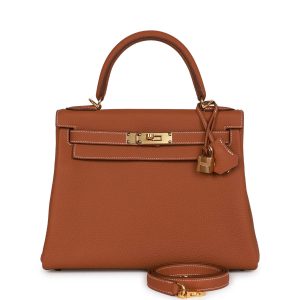
The Kelly is the Birkin’s quieter sister and an equally serious value-holder. Its structured silhouette has been desirable for generations, and the same supply discipline that supports the Birkin applies here — the Kelly 28 in classic leather and hardware combinations is the configuration with the deepest buyer pool. Both the Retourne (soft, relaxed) and Sellier (crisp, architectural) constructions hold up well; the choice between them is a matter of personal style rather than resale strength. As with the Birkin, exotic leathers and special orders trade in their own more volatile niche, while standard Togo, Epsom, and Clemence leathers in neutrals are the safest ground. Full accessories and box matter, and authentication demands care given how sophisticated counterfeits have become.
3. Chanel Classic Flap
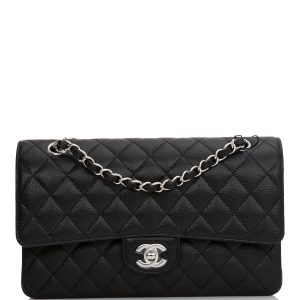
The Chanel Classic Flap — the quilted bag with the interlocking CC turnlock and chain-and-leather strap — is the second pillar of value retention. Its case rests on decades of unbroken desirability plus Chanel’s pattern of regular retail price increases, which steadily lifts the pre-owned market beneath it. The most in-demand configurations are the classic ones: black or beige caviar or lambskin leather, gold or silver hardware, in the medium or jumbo sizes. The 2.55 Reissue, with its rectangular mademoiselle lock, has a devoted following too. Older bags carry hologram stickers with serial numbers; newest production uses microchips — matching the identification method to the era is part of authentication. Heavy wear on lambskin, color transfer on light colors, and a worn chain strap are the main value killers.
4. Louis Vuitton Neverfull
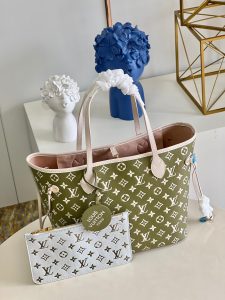
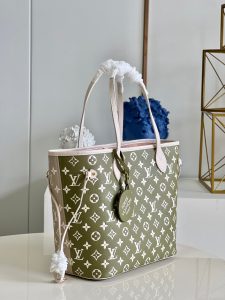
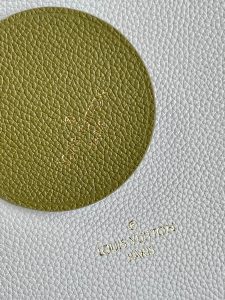
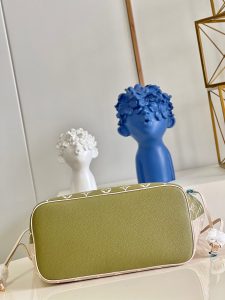
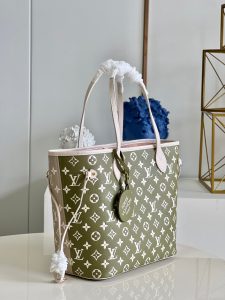
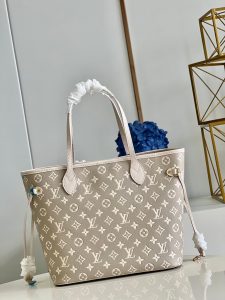
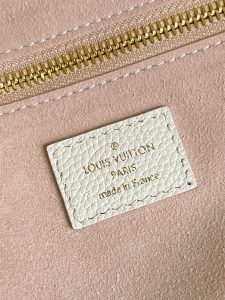
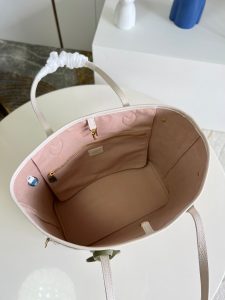
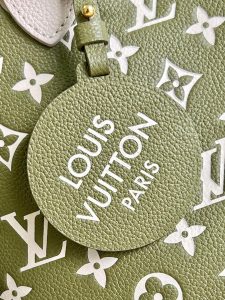
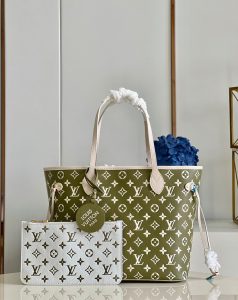
The Neverfull MM holds value through sheer enduring popularity rather than scarcity. It is recognizable worldwide, has been produced consistently for decades, and is bought pre-owned by women who want the classic without boutique pricing. Monogram canvas versions tend to be the safest resale bets because the coated canvas wears well and the pattern never dates. Vachetta condition is the decisive factor — even honey-to-caramel patina preserves value, while water stains and cracked handles destroy it. Because this model is so widely faked, documented authenticity (clear date codes or microchip-era provenance, crisp heat stamps) directly affects what knowledgeable buyers will pay.
5. Louis Vuitton Speedy
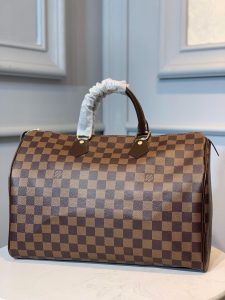
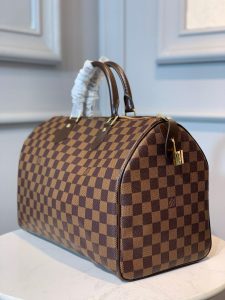
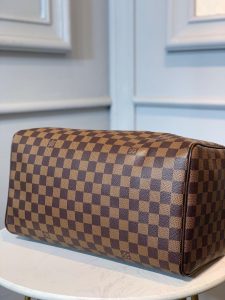
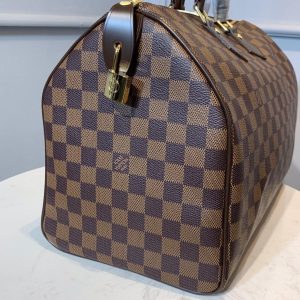
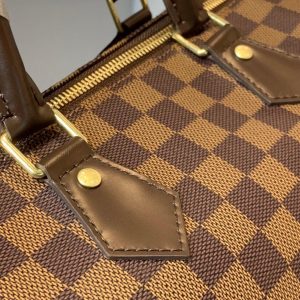
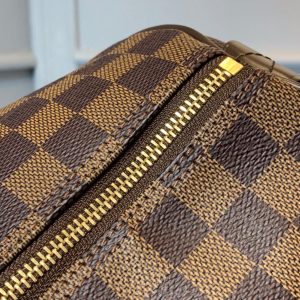
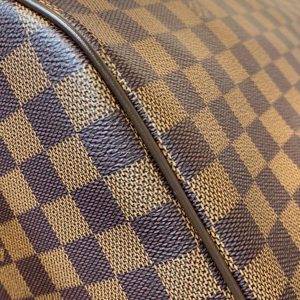
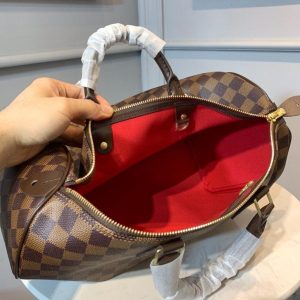
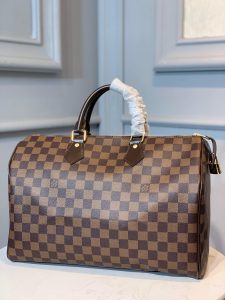
The Speedy — in the 25 and 30 sizes — shares the Neverfull’s resale story: a silhouette so iconic it never leaves the market’s wish list. Women buy the Speedy pre-owned for the same reasons: timeless proportions, the hard-wearing monogram canvas, and a price point that keeps demand broad and liquid. As with all Louis Vuitton icons, monogram canvas is the safest configuration, vachetta condition decides the price, and limited-edition collaborations can spike or sink depending on collector demand. Authentication matters just as much here as for the Neverfull, so buy from a source you can verify.
6. Dior Lady Dior
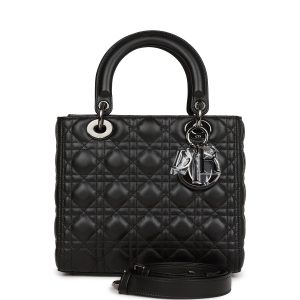
Beyond the big three, the Lady Dior — quilted cannage stitching, structured silhouette, D.I.O.R. charms — is Dior’s timeless anchor and resells steadily in classic colors, especially black lambskin. Its value story is steadier than it is spectacular: consistent demand rather than scarcity-driven premiums. Condition scrutiny matters most here — lambskin corners and the charms show wear — and classic colors resell far more easily than seasonal variations. The Lady Dior will not match Hermès or Chanel for value consistency, but among the rest of the field it is one of the most dependable classics.
Beyond the Icons: Steady Names Worth a Look
Several other models have built respectable secondary markets, though none match the six above for consistency. The Dior Saddle bag’s value is trend-sensitive: it surges when the silhouette is in fashion and softens when it is not, so buy it because you love it. The Goyard St Louis benefits from the house’s refusal to sell online and its limited boutique network, which keeps demand concentrated and pre-owned prices firm — though thin straps and corner wear mean condition scrutiny is essential. Among other houses, Bottega Veneta’s classic intrecciato pieces, Celine’s enduring silhouettes, and Loewe’s Puzzle have each built loyal buyer pools, but treat them as good bags with fair resale rather than value champions.
What Hurts Resale Value Most
Even the right bag loses value fast under the wrong conditions. The biggest deductions come from condition issues: stained or cracked vachetta, scuffed corners, worn glazing, musty or stained interiors, and non-functioning hardware. Missing accessories matter more than most owners expect — the dust bag, box, authenticity documentation, and detachable straps or pochettes that came with the bag all affect the price. Personalization is a quiet killer: heat-stamped initials make the bag yours alone and shrink the buyer pool dramatically. Trendy seasonal colors and limited prints depreciate faster than black, beige, navy, and classic monograms. And repairs, while sometimes necessary, should be disclosed — undisclosed restoration discovered by a buyer kills trust and deals.
Buying With Value in Mind
If retaining value matters to you, buy the classic, not the moment: core models in neutral colors with standard hardware. Buy condition over bargain — a pristine pre-owned bag at a fair price beats a damaged one at a discount every time, because restoration costs erase the savings. Keep everything the bag came with: dust bag, box, papers, straps, and receipts, stored together. Avoid personalization like stamped initials if resale is on your mind. Consider pre-owned for your first purchase of an icon — the previous owner has absorbed the initial depreciation, and you get the same bag. Finally, maintain the bag properly: store it stuffed in its dust bag, keep vachetta dry, and address small wear before it becomes damage.
Frequently Asked Questions
Do designer bags actually increase in value?
A few specific icons in excellent condition have appreciated over long periods, but most designer bags hold a portion of their value or depreciate — they are luxury goods to enjoy, not investment vehicles. Buy the bag because you will carry it for years; treat any value retention as a welcome bonus, not a plan.
Which holds value better: Chanel or Louis Vuitton?
Both are strong in their iconic models, in different ways. Chanel’s Classic Flap has historically commanded higher resale prices relative to retail, supported by regular price increases — but its entry price is also much higher. Louis Vuitton icons like the Neverfull and Speedy are more affordable to enter and resell reliably thanks to constant demand. In both cases, condition and classic configuration matter more than the brand name alone.
Does hardware color affect resale value?
Yes, modestly. Gold hardware tends to have the broadest, most consistent demand across brands, with silver and palladium close behind. Unusual or seasonal hardware finishes — ruthenium, matte black, colored metals — appeal to narrower tastes and can take longer to resell. When value matters, classic gold or silver is the safer choice.
Should I buy new or pre-owned if I care about value?
Pre-owned is usually the smarter value play: the first owner absorbs the steepest depreciation, and a well-kept classic costs significantly less than boutique retail while reselling later for a similar proportion of what you paid. The trade-off is diligence — verify authenticity carefully and buy the best condition you can find.
Conclusion
The bags that hold their value best share a simple formula: timeless design, sustained demand, disciplined supply, and excellent condition. The Hermès Birkin and Kelly, the Chanel Classic Flap, and Louis Vuitton’s icons have proven that formula for decades. Buy the classic in a wearable color, keep it beautiful, keep its accessories — and enjoy carrying it. That is the real return on a designer bag.